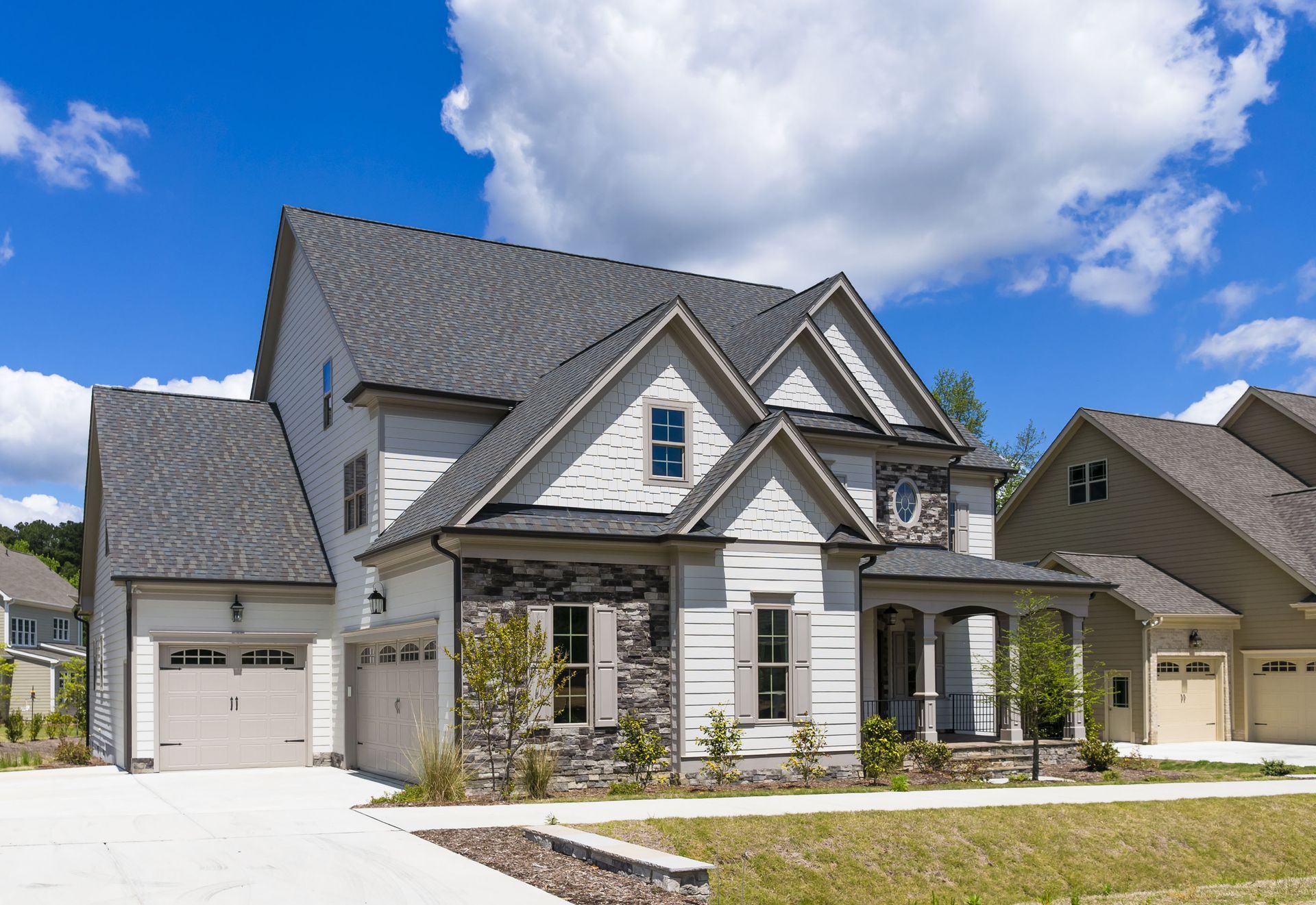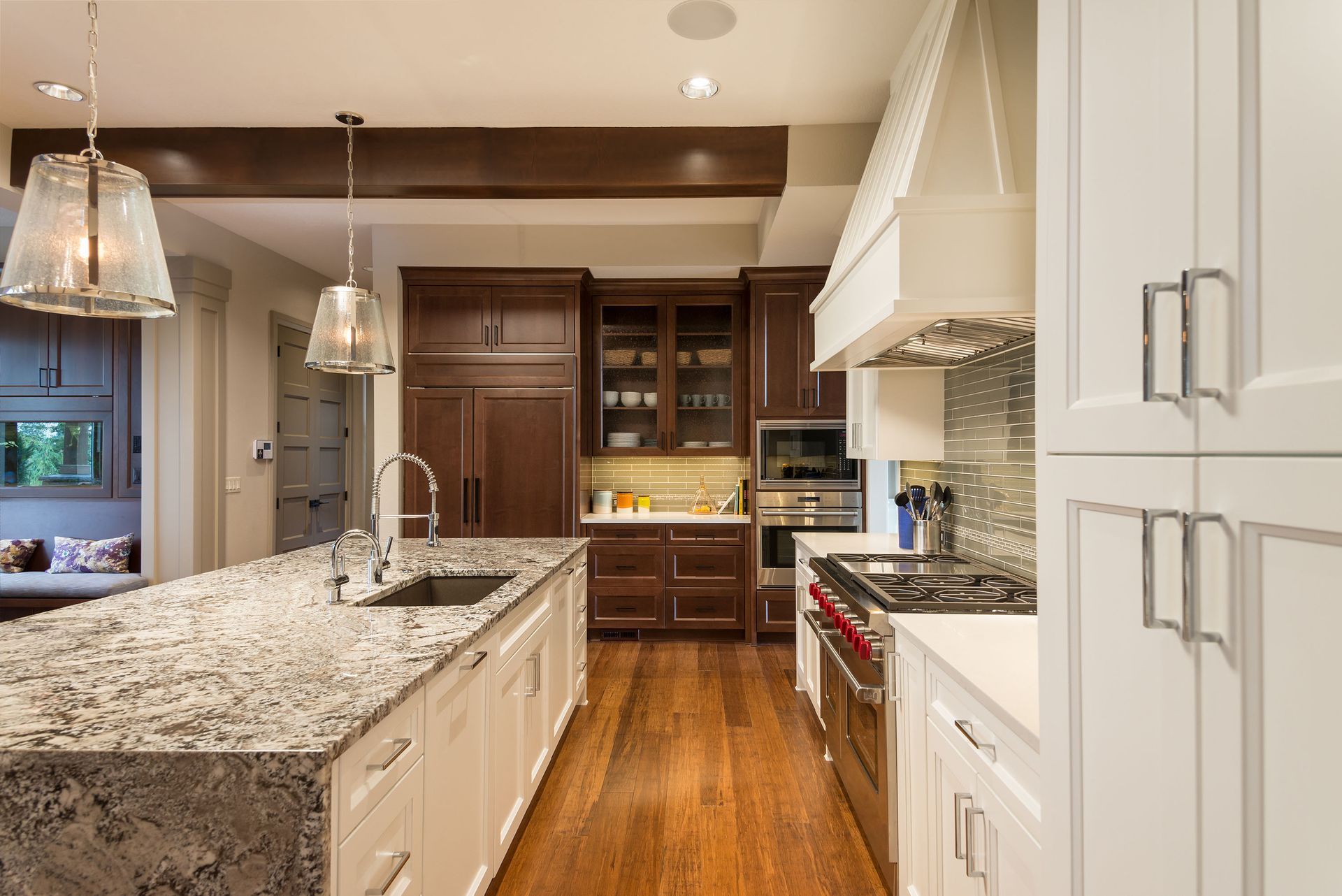
Building a home from the ground up creates opportunities that purchasing an existing property simply cannot provide. Instead of adapting to rooms, finishes, and layouts chosen by someone else, homeowners can make decisions based on their own routines, preferences, and long-term plans. A new construction project allows those ideas to be developed into a cohesive residence that reflects both practical needs and personal style.
The custom building process also involves far more than choosing attractive materials. Site conditions, architectural plans, construction methods, budgets, schedules, and countless design details must work together. Understanding how these elements interact can help homeowners approach their project with realistic expectations and greater confidence. The following insights explain some of the most important considerations involved in creating a truly personalized home.
Considering How Lifestyle Shapes the Design
A successful home begins with an understanding of how the people living there actually use their space. Homeowners may need dedicated areas for remote work, entertaining, hobbies, storage, children, pets, or visiting relatives. These lifestyle considerations can influence everything from the overall floor plan to the placement of individual rooms.
A new construction project provides an opportunity to translate those everyday needs into practical design decisions. For example, someone who frequently hosts guests may prioritize connected gathering areas and convenient access to outdoor spaces. A household that values privacy might prefer greater separation between bedrooms and common areas. Thinking about these patterns early can prevent a home from looking impressive on paper while feeling inconvenient in daily life.
Evaluating How the Building Site Affects Planning
The property itself plays a major role in determining what can be built and how the home should be positioned. Lot dimensions, grading, drainage, soil conditions, vegetation, views, sunlight, and access can all influence the final design. Local zoning requirements and neighborhood restrictions may create additional considerations.
Rather than treating the lot as a blank canvas, thoughtful new construction planning considers how the house and land can complement one another. The location of windows may be influenced by natural light or desirable views, while the orientation of outdoor living areas may depend on privacy and sun exposure. Sloped properties can also create design opportunities that would not exist on level sites.
Recognizing How Budget Priorities Influence Decisions
Building from the ground up gives homeowners extensive control, but every choice has financial implications. Establishing priorities is therefore essential. Some homeowners may want to invest heavily in the kitchen, while others care more about architectural details, energy efficiency, outdoor living, or premium finishes.
A new construction budget should account for the entire project rather than focusing exclusively on the most visible features. This does not mean simply choosing the least expensive option. Instead, the objective is to balance appearance, performance, durability, and cost across the home.
The size of the broader industry also illustrates why homeowners have many professionals and approaches to consider. According to Poi Data, there are about 124,203 U.S. construction companies as of late 2025. Because companies can differ significantly in experience, communication practices, project types, and services, careful evaluation remains important.
Understanding How Communication Supports the Project
Building a personalized home involves an ongoing exchange of information among homeowners, designers, tradespeople, suppliers, and other professionals. Clear communication helps keep those participants aligned as the project moves from initial concepts through construction and completion.
Homeowners beginning new construction should understand how the professionals involved communicate about schedules, selections, changes, costs, and project developments. Consistent updates can make it easier to address questions before they become larger concerns. Communication is especially valuable when unexpected site conditions, material availability, or design adjustments affect earlier assumptions.
Homeowners also benefit from expressing their preferences clearly. Inspiration images and general descriptions can be helpful, but discussing how a space should function often provides even more useful context. Productive communication focuses on both appearance and purpose, allowing the project team to understand the reasoning behind important decisions.
A collaborative relationship can make a complex process feel much more manageable. When expectations are clear and questions are addressed promptly, homeowners can remain informed without needing to manage the technical details themselves.
Reviewing How Material Choices Affect Performance
Finishes are often viewed primarily as design elements, but materials also influence maintenance, comfort, longevity, and everyday performance. Flooring that looks beautiful may not be appropriate for every household, just as an exterior material may perform differently depending on climate and exposure.
Material selections for new construction should therefore consider practical characteristics alongside aesthetics. Cabinetry, countertops, roofing, siding, windows, fixtures, and flooring should contribute to a consistent design while meeting the demands of the spaces where they will be used.
Durability is particularly important because a personalized home is often intended as a long-term investment. Materials that fit the household’s lifestyle may provide greater satisfaction than selections made solely because they are fashionable. Homeowners with children or pets, for instance, may place greater emphasis on resilient surfaces and easy maintenance.
Selections should ultimately support the broader vision for the property. Coordinating materials throughout the home creates visual continuity while thoughtful performance considerations help preserve functionality.
Anticipating How Details Shape Everyday Function
Some of the most valuable features are not necessarily the most dramatic. Storage locations, electrical outlets, lighting placement, traffic flow, door swings, closet configurations, and connections between rooms can strongly influence how comfortable a home feels.
These details are easier to consider when homeowners imagine their ordinary routines rather than focusing only on special occasions. Where will groceries enter the house? Which belongings need convenient storage? How will people move through busy areas? Where will natural light be most useful? Questions like these can reveal opportunities to make the design more intuitive.
Careful new construction planning provides an opportunity to address these details before the home is complete. Thoughtful decisions can reduce small frustrations that might otherwise become noticeable only after moving in.
Functional choices can still support beautiful design. In fact, some of the most successful homes feel refined precisely because practical elements have been integrated so naturally that they do not call attention to themselves.
Planning How the Home Can Serve Future Needs
A personalized residence should meet current expectations while remaining useful as circumstances change. Future needs may include additional household members, evolving work arrangements, different entertainment preferences, or a desire for greater accessibility.
Flexible spaces can help accommodate these changes. A room designed with multiple potential uses may transition from an office to a guest room or hobby area. Storage capacity, circulation patterns, and accessibility considerations can also influence how comfortably homeowners can remain in the property over time.
Thinking about long-term goals during new construction can encourage design decisions that extend the usefulness of the residence. Future-minded planning does not require predicting every possible change. Instead, it involves avoiding unnecessary limitations and creating spaces capable of adapting when priorities shift.
This perspective can be especially valuable for homeowners who view building as an opportunity to create a lasting home rather than a temporary residence.
Bringing the Custom Home Vision Together
A successful custom home combines personal preferences with thoughtful planning, technical expertise, and practical decision-making. Lifestyle, site characteristics, budget priorities, communication, materials, everyday details, and future flexibility all contribute to the finished result. When these considerations are addressed as interconnected parts of the same project, the home can feel cohesive rather than simply customized.
The process also becomes easier to navigate when homeowners understand why early decisions matter. Careful planning establishes a foundation for later selections and helps ensure that architectural character does not come at the expense of function. With professional guidance and clear priorities, homeowners can create spaces that feel intentionally designed for the way they want to live.
Creating a personalized residence deserves careful attention from the earliest ideas through the final details. At Kopp Construction Co, we work with homeowners to transform their goals into thoughtfully planned living spaces. Our team can help you navigate the building process while keeping your priorities, preferences, and long-term vision at the center of the project. Contact us to discuss your plans and learn more about creating a home designed around you.